Expert Barn & Shed Restoration & Protection
Maintaining a barn in Oxford County isn’t just basic handyman work. You need real expertise and attention to detail.
Whether you’re dealing with structural damage, roofing issues, or exterior wear, the agricultural climate and daily use demand specialized repair strategies. Protecting your investment and keeping things running smoothly really comes down to having the right approach.
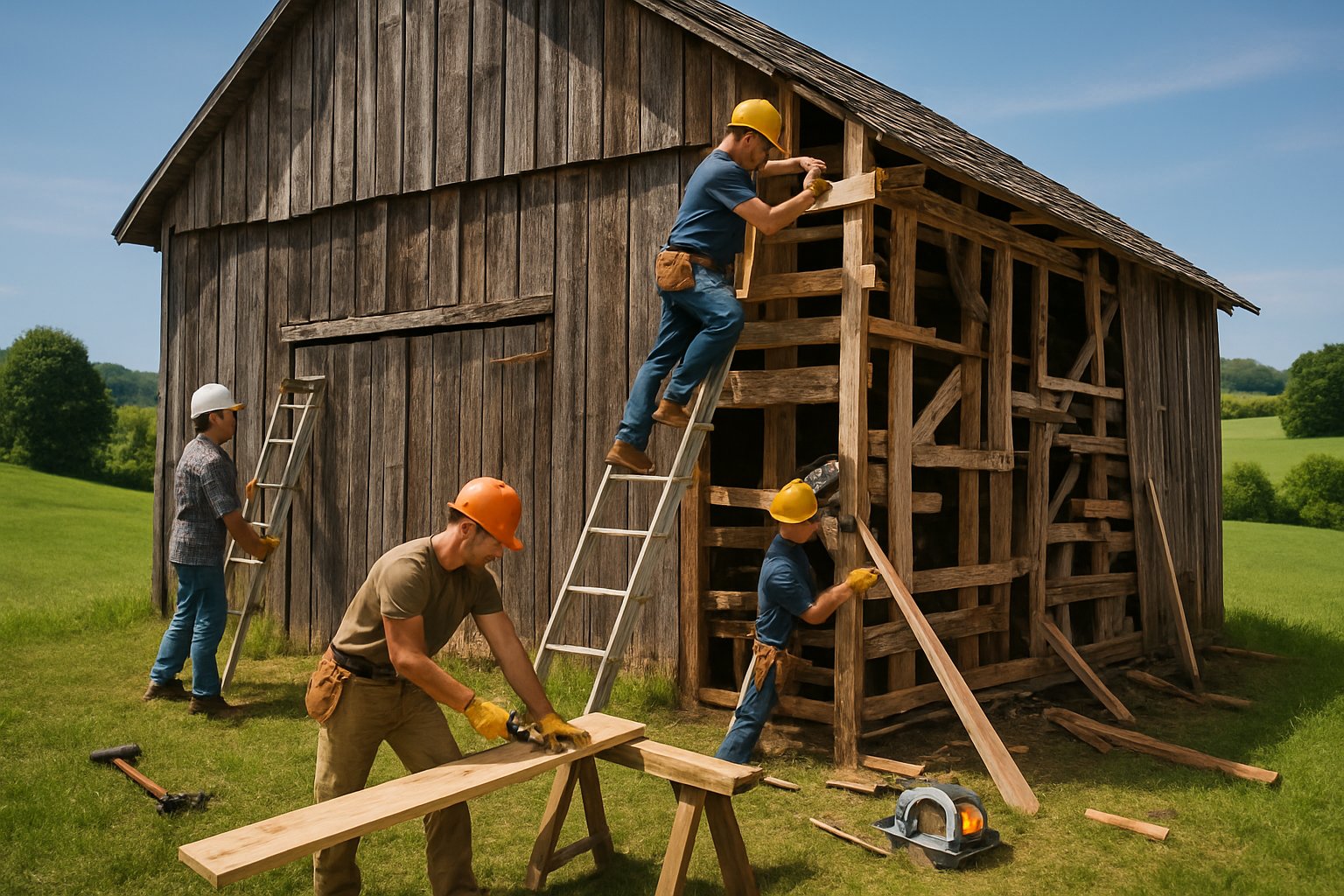
Professional barn repair services in Oxford County handle everything from foundation fixes and siding replacement to full restoration projects. These fixes and repairs can add decades to your barn’s life.
I’ve seen too many people try DIY repairs, only to face bigger, costlier problems later when moisture or structural issues get worse.
Repair needs in Oxford County range from emergency fixes after storms to planned renovations for older barns. Knowing when to handle small maintenance jobs and when to call specialized barn repair contractors makes all the difference.
The Importance of Timely Barn Repairs
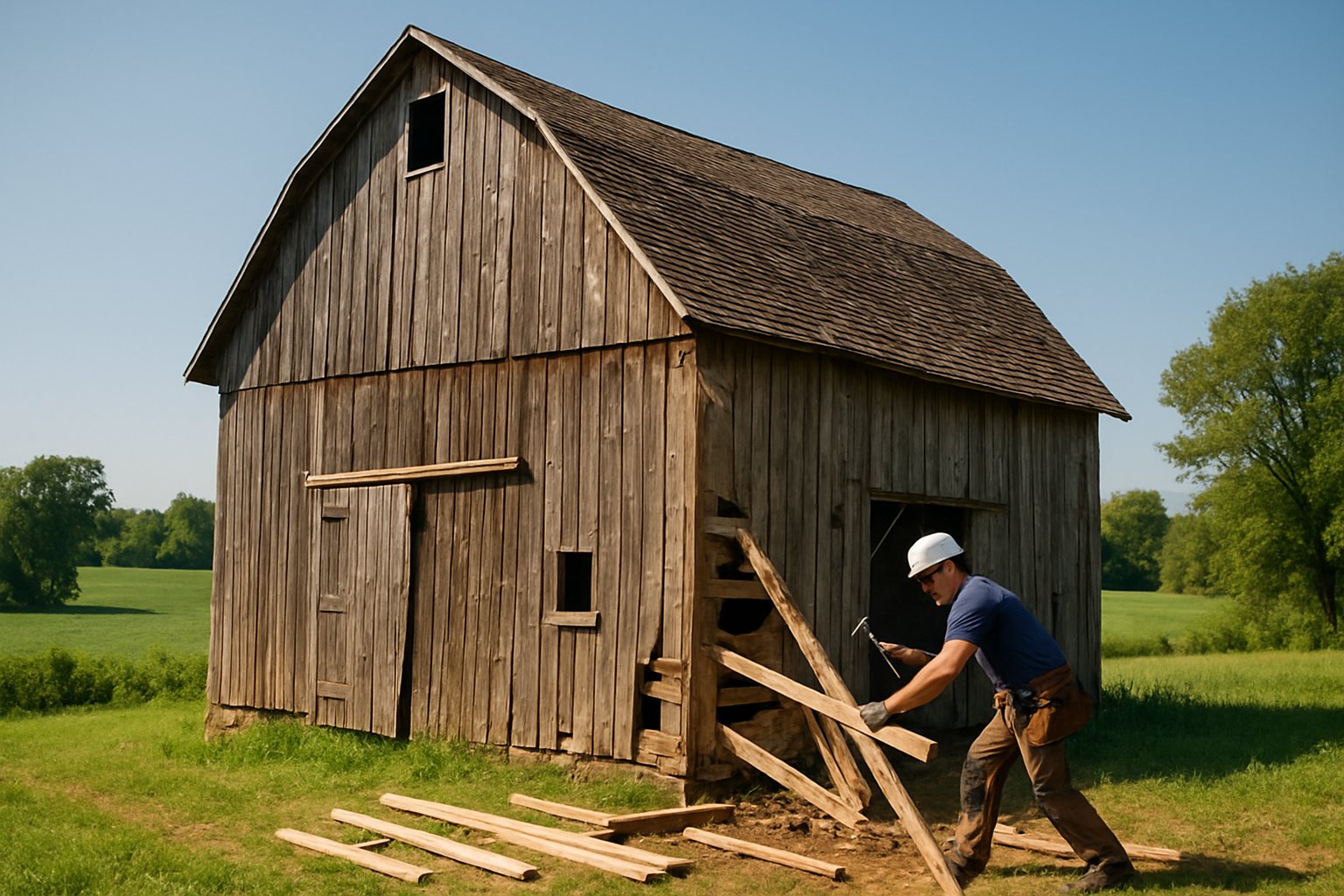
Quick barn repairs save money and keep your operation running. Waiting on maintenance often leads to expensive structural headaches that could’ve been avoided.
Protecting Agricultural Investments
Farm buildings aren’t cheap. Replacing a barn can set you back tens of thousands of dollars.
Ignore a small repair and it snowballs. That loose board? Next thing you know, moisture sneaks in and rots out whole wall sections.
Regular barn maintenance from restoration specialists like Ray Stewart Barn Painting Service keeps weather and pests from ruining your investment. Water damage spreads fast in wood structures.
You need dry, secure storage for equipment. Damaged barns put expensive machinery at risk from both moisture and theft.
Livestock can’t go without safe shelter, especially in winter. Broken doors or bad roofing can injure animals and mess with productivity.
Preventing Structural Deterioration
Timber frame barns rely on strong joints and connections. If these fail, whole sections can collapse—no joke.
I often find mortise and tenon joints that need fixing before bigger problems start. Skilled craftsmen can repair these joints and swap out damaged beams.
Foundation issues usually start small but can escalate quickly. Settling or shifting cracks walls and creates unsafe conditions.
Roof leaks are a huge issue. Once water gets inside, it damages beams and floors.
Metal roofing holds up longer than shingles, but you still need to check for loose fasteners and rust.
Supporting Local Ontario Farmers
Oxford County farmers deal with old barn structures that need careful attention. Many of these buildings are decades old.
Farming depends on reliable buildings. If a barn fails, it throws off milk schedules, feed storage, and animal care.
Local repair contractors really get the unique needs of farm buildings here. They know what materials stand up to our weather.
Good barns keep property values up. If you ever want to sell, well-maintained buildings attract buyers.
Insurance companies often want to see maintenance records. Keeping good documentation helps with claims and can even lower your premiums.
Common Types of Barn Repairs in Oxford County
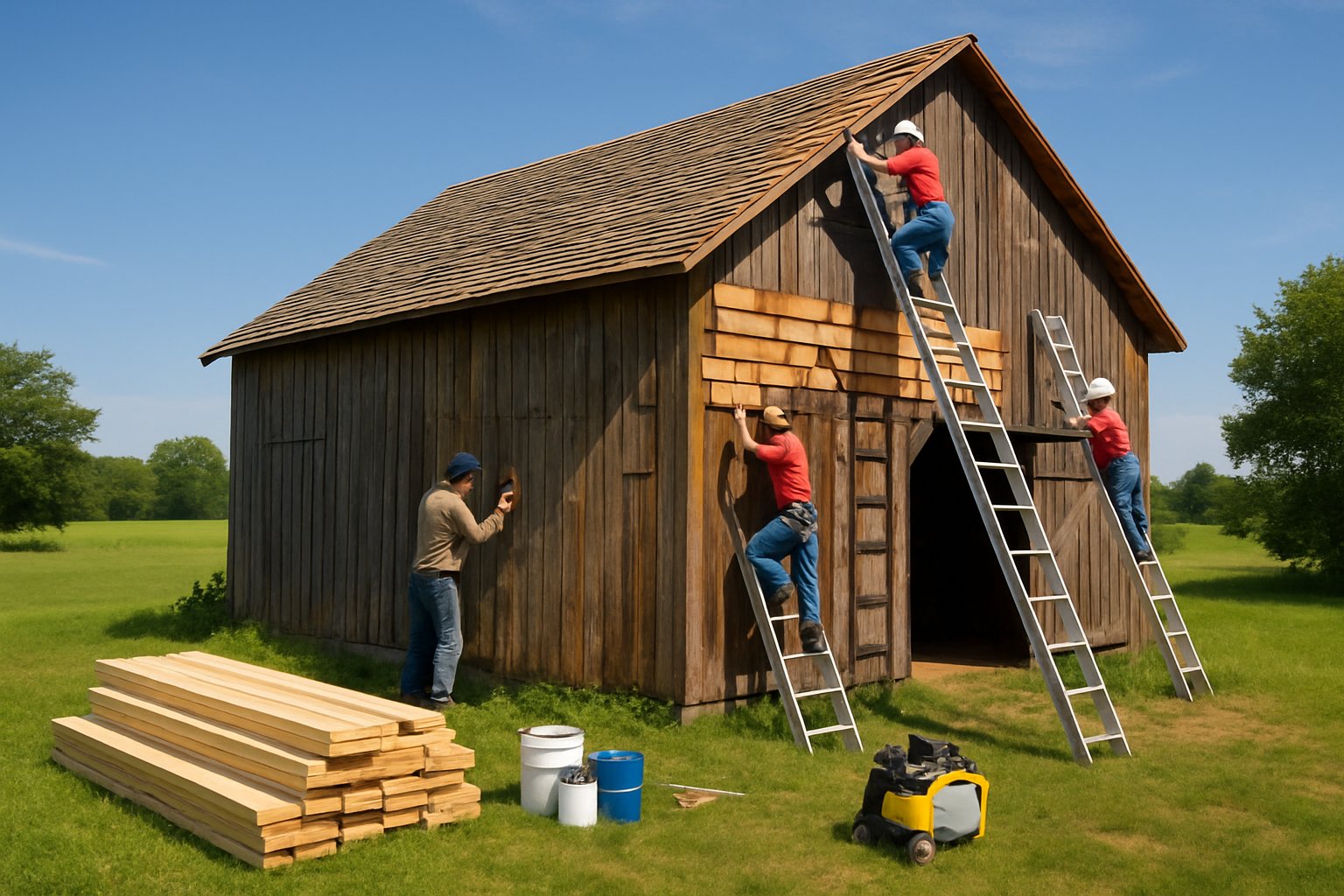
Barns here face tough winters, moisture, and years of use. The most common problems? Bad roofs, weak structural elements, damaged walls, and foundations needing urgent attention.
Roof Replacement and Leak Fixes
Metal roofs on Oxford County barns often rust, lose fasteners, or take a beating from weather. Corrugated steel panels usually need replacing after 20-30 years.
Leaks usually start with damaged flashing around chimneys or roof penetrations. Missing or bent metal sheets let water into hay storage and equipment areas.
Barn repair specialists replace rusted metal and secure loose spots with screw-nails for a stronger hold.
For asphalt shingle roofs, check after wind storms for missing shingles. Replace damaged spots before leaks start.
Proper ventilation is key. Ridge vents and soffits keep moisture from building up and ruining the roof.
Structural Reinforcement and Beam Repair
Timber frame barns often need beam reinforcement after settling or wood rot. Load-bearing posts can crack or rot, weakening the whole structure.
Sister beams add support when original timbers can’t handle the load. I use steel brackets and plates to connect new lumber to old frames.
Foundation settling throws beams out of alignment, making doors stick and walls wobble. Jacking and releveling bring things back to square.
Mortise and tenon joints loosen as wood shrinks or swells. Metal plates can strengthen these spots without ruining the barn’s character.
Carpenter ants and powder post beetles love old wood. Treat infestations and replace affected beams before the structure pays the price.
Wall, Siding, and Cladding Restoration
Board and batten siding repairs usually mean replacing rotted bottom boards and tightening loose planks. Ground moisture does most of the damage down low.
Metal siding gets dented by hail and can develop rust holes. Replacing panels and matching colors keeps the barn looking right.
Chinking between logs needs updating to keep out drafts and moisture. Modern materials last a lot longer than old clay or lime.
Barn door tracks need realigning and hardware swaps now and then. Heavy doors put a lot of strain on brackets and rollers.
Old windows often have broken glass or rotted frames. Many barns still have original multi-pane windows that need new glazing compound.
Foundation and Floor Repairs
Concrete cracks let water in, damaging stored stuff and equipment. I use hydraulic cement and injection to seal leaks for good.
Stone foundations shift and settle, opening gaps that need fresh mortar. Good drainage around the foundation keeps freeze-thaw cycles from doing damage.
Concrete floors get chewed up by livestock and equipment. Overlay systems can restore a smooth, easy-to-clean surface.
Gravel floors need regrading and fresh gravel sometimes. Bad drainage makes for muddy, unhealthy conditions for animals and equipment.
Floor drains clog up over time. Cleaning and repairing them keeps wash water and condensation from pooling inside.
Comprehensive Barn Restoration and Renovation
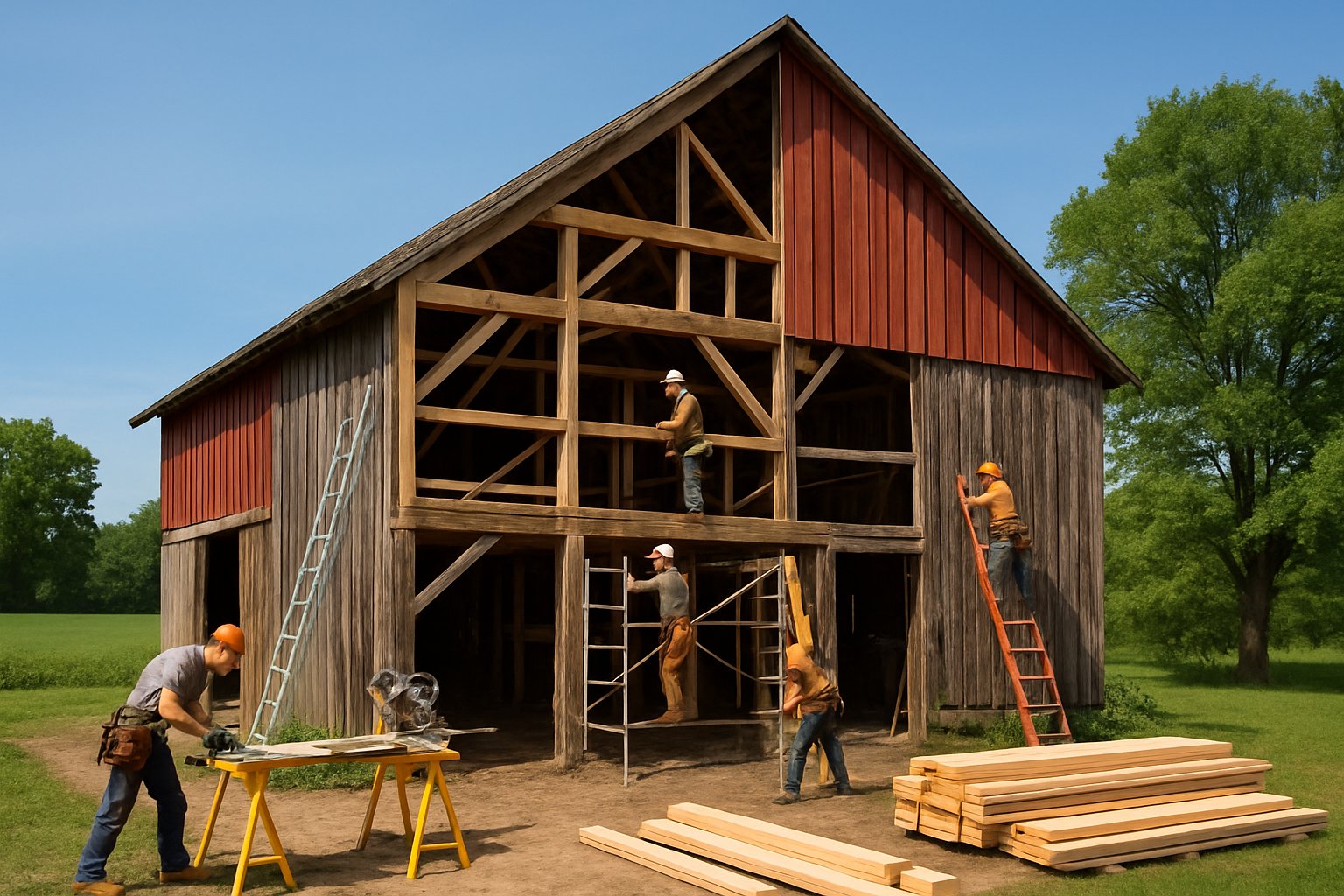
Restoring a barn means fixing damaged beams, swapping out corroded metal, and upgrading doors and windows for better use. These jobs focus on the most common issues that threaten a barn’s strength and usefulness.
Wooden Plank and Beam Restoration
I always start by checking the load-bearing timbers and support beams. Moisture usually attacks bottom plates and corner posts first.
When I find rot, I splice in new timber or install sister beams. That means cutting out bad wood and attaching fresh lumber alongside the old for strength.
Those classic mortise and tenon joints? Over the years, they loosen up. I reinforce them with pegs, brackets, or screws—depends on the joint and how much stress it sees.
Replacing plank siding calls for matching the wood type and thickness. I try to use reclaimed barn wood when I can, to keep that original look.
Wood preservation treatments can add 15-20 years to restored timber. I use sealers that soak in and protect against water, bugs, and sun damage without changing the wood’s appearance.
Metal and Steel Sheet Repair
Barn metal roofs and siding usually show rust, loose fasteners, and storm dents. I check each panel to decide if it needs repair or a full replacement.
Small rust spots clean up with wire brushing, primer, and paint. Bigger rusted areas need new panels to keep water out and stop further damage.
Barn repair services often upgrade old nails to modern screws with rubber washers. It’s a simple change that keeps wind and water from sneaking in.
For replacements, I suggest galvanized steel or aluminum—they resist rust and usually last 25-30 years with little fuss. Untreated steel? You’re lucky to get 10-15 years.
Proper flashing around roof openings and wall joints keeps out most water. I use step flashing, valley flashing, and drip edges to seal up trouble spots.
Upgrading Barn Doors and Windows
Old barn doors sag, stick, and have worn-out hardware. I check the frame, tracks, and panels to see what needs fixing or replacing.
Heavy sliding doors need the right tracks and rollers to work smoothly. Adjustable hardware helps them keep working even as the barn settles.
Swapping out windows improves ventilation, light, and weather protection. New agricultural windows use tough glass and rust-proof frames made for harsh conditions.
For equipment access, I size door openings to at least 12 feet wide. Wider doors might need extra header support.
Professional barn restoration includes adding weatherstripping to doors and windows. It keeps air and moisture out, protecting what’s inside.
I use stainless steel hinges, latches, and track parts—they don’t rust and last for decades with barely any care.
Barn Painting Services and Surface Protection
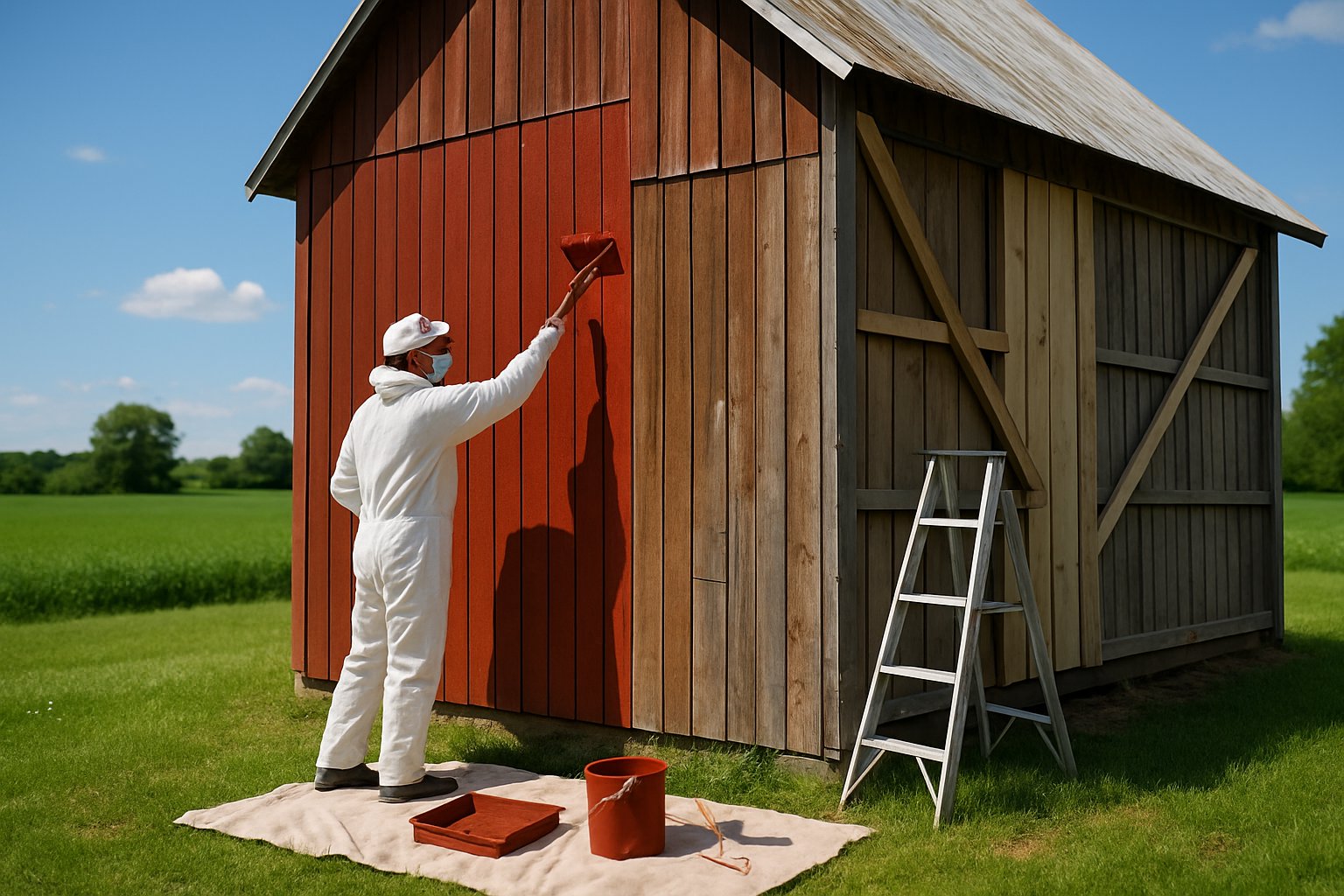
A good paint job shields barn surfaces from moisture, sun, and wild temperature swings. Using the right techniques and quality materials keeps barns strong and property values up.
Benefits of Professional Barn Painting
Professional barn painting beats DIY every time. I see better coverage and prep work from experienced crews.
Pros spot surface problems before they get worse—wood rot, loose boards, metal rust. They catch it all during prep.
They finish jobs in days, not weeks. And they’ve got the gear for tall walls and steep roofs, so safety isn’t an issue.
Warranties and insurance come standard, giving you peace of mind about the work.
Choosing Quality Paints for Longevity
Premium paints really do last longer. Industrial-grade polyurethane coatings shrug off UV and moisture better than regular paints.
Top brands for barns include:
- Sherwin-Williams agricultural coatings
- Benjamin Moore exterior paints
- Dulux weather-resistant formulas
- Korzite industrial coatings
Pick your paint based on the surface and local weather. Metal and wood need different stuff.
Color retention matters. Good paints hold their shade for a decade or more if you prep and apply them right.
Premium paints usually cover more area per gallon, so you might save on material in the long run.
Weatherproofing Techniques
Prep work matters more than the paint itself. I always recommend power washing and scraping before painting.
Primers make paint stick and last longer. Use the right primer for wood, metal, or whatever surface you’ve got.
It’s better to do a few thin coats than one thick one. That way, you don’t get drips and you cover everything.
Caulking and sealing gaps before painting keeps water out and prevents paint failure.
Paint cures best between 50-85 degrees with low humidity. Not always easy in Ontario, but it makes a difference.
Pros use sprayers for big areas and brushes for detail work. This combo gives a smooth finish and complete coverage.
Annual touch-ups and inspections can stretch the time between full repaints by years.
Selecting Reliable Barn Repair Providers
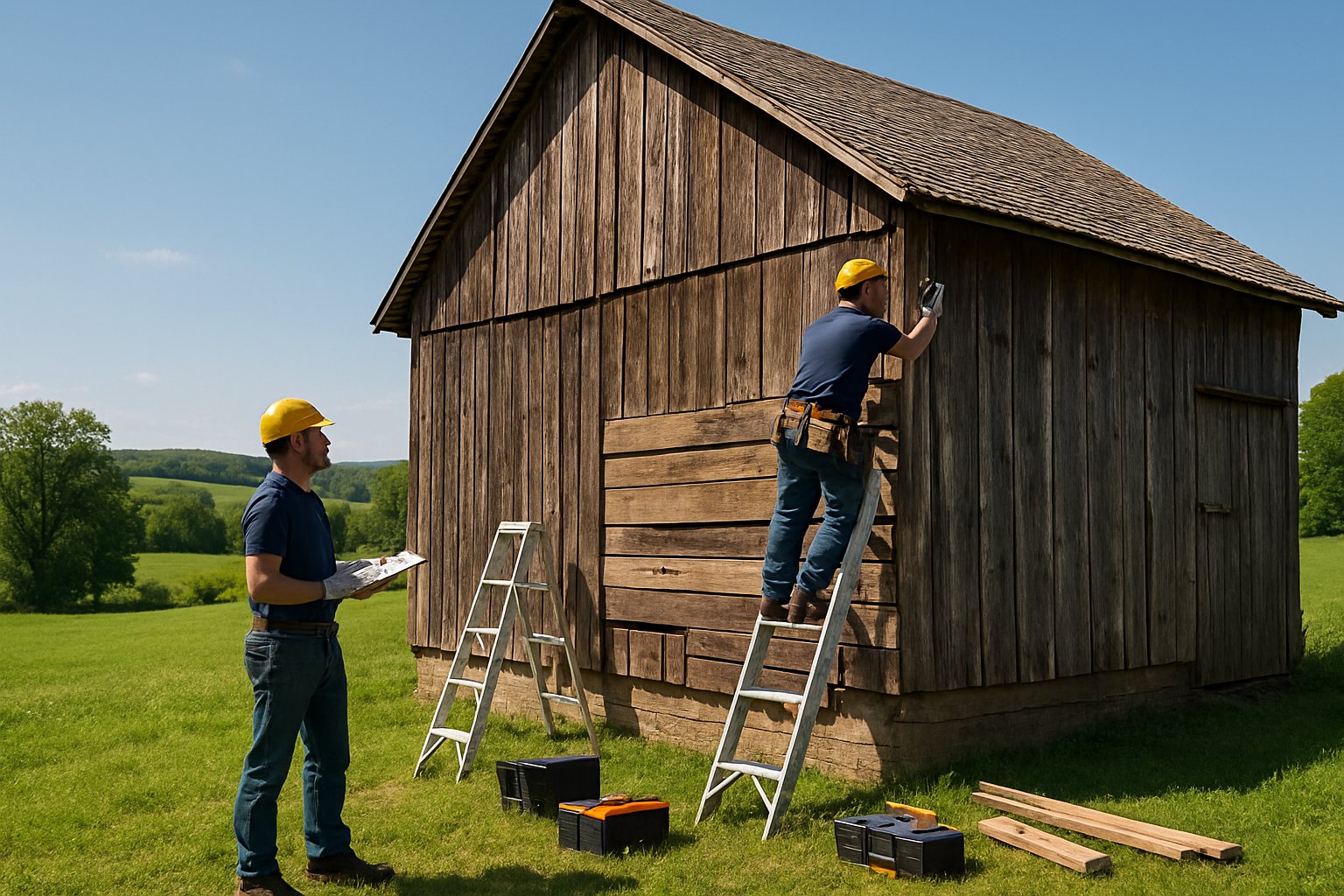
Picking the right contractor means looking for local know-how, the right credentials, and a solid track record. The best ones combine regional experience with proper licensing and real craftsmanship.
Local Expertise in Oxford County
Local contractors get the unique challenges barns face in this region. They know the weather, soil, and typical structural issues that affect farm buildings here.
Look for companies with a track record in Oxford County. These folks understand local building codes and permits, and they know which materials actually hold up in this climate.
Local contractors often have good relationships with area suppliers. That can mean better prices and faster turnarounds for your project.
Licensed and Insured Companies
Always check that contractors have the right licenses and insurance. This protects you if something goes wrong during repairs.
Ask to see up-to-date insurance certificates before you sign anything. You’ll want general liability and workers’ comp coverage at a minimum. Some contractors carry bonding insurance, too.
Check with local authorities about what licenses are required for barn repairs. Different jobs might need different permits or certifications.
Get written proof of all credentials before work starts. Reputable contractors won’t hesitate to provide this.
Evaluating Workmanship and Experience
Check out portfolios of finished barn projects to judge quality. Before and after photos help show the contractor’s range and finish work.
Ask for references from recent customers with similar repair needs. Give those references a call to get a feel for the contractor’s professionalism and quality.
Experienced contractors can spot problems before they get expensive. They know which repair methods last longest for different barn types.
Request detailed written estimates that break down materials, labor, and timelines. Compare a few quotes to get a sense of fair pricing for your job.
Maintenance Strategies for Oxford County Barns
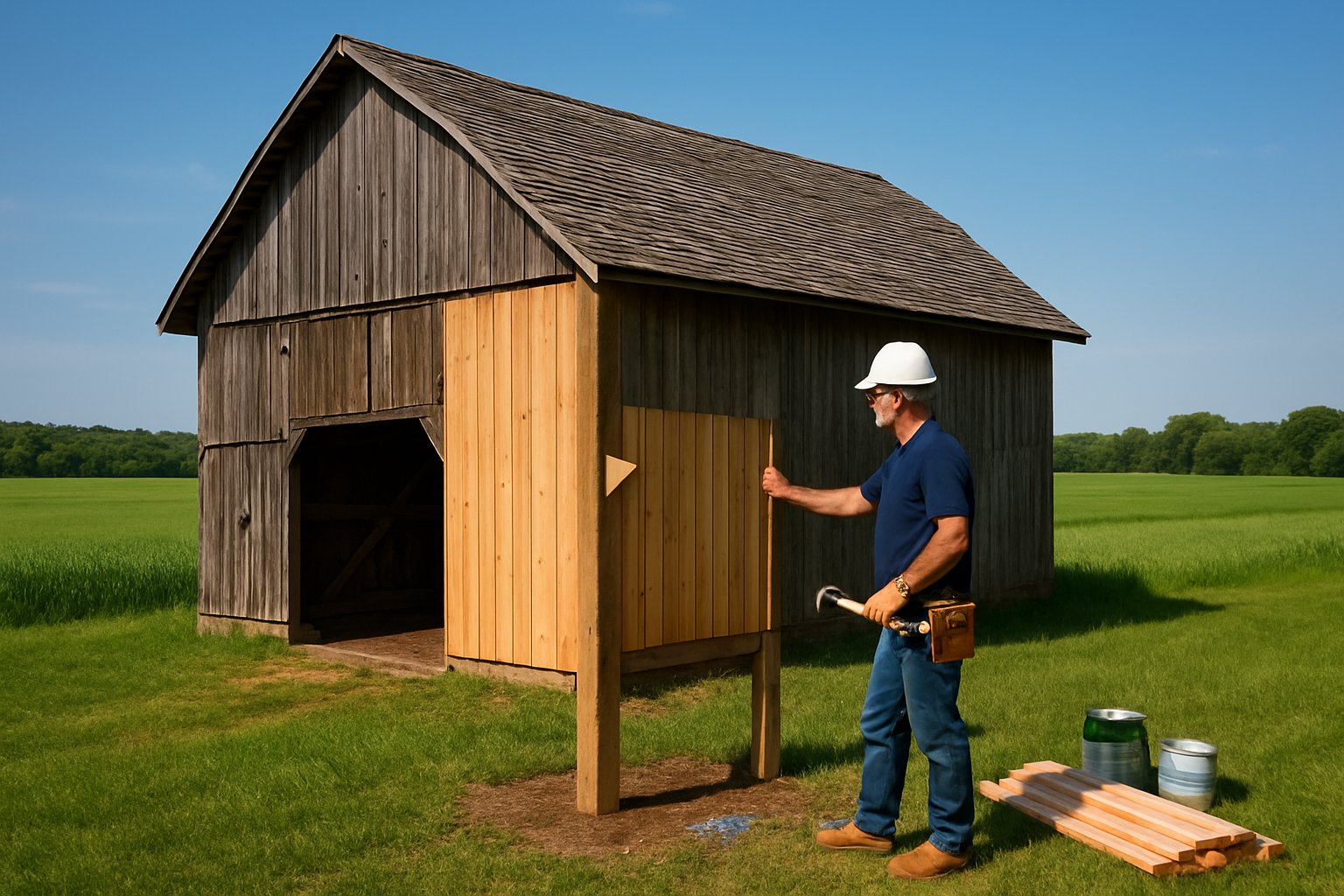
Good barn maintenance takes a mix of regular checks, timely repairs, and seasonal care. Smart scheduling and catching issues early help Ontario farmers avoid big repair bills and keep their barns standing longer.
Preventative Scheduling
Set up a maintenance calendar that fits your farming seasons and the local weather. In spring, check for winter damage; in fall, get ready for the cold.
Monthly roof checks catch small leaks before they turn into big problems. I like to inspect siding every three months to spot loose boards or rust.
Every year, assess the foundation, lube door hardware, and clean the ventilation system. Some barn repair and maintenance tasks need a pro if you spot structural issues.
I keep a logbook of all maintenance. It helps me spot patterns and budget for future repairs.
Identifying Early Warning Signs
Water stains on inside walls usually mean roof or siding failures. I look for dark spots, especially near roof edges and windows.
A sagging roofline signals structural trouble. Even a small dip means it’s time to call a professional.
Loose or missing siding lets in moisture and pests. I check exterior walls every few months for gaps, warping, or damage.
If doors won’t close or start sticking, it could mean the foundation is settling or the frame is deteriorating. That’s something you want to fix before it gets worse.
Year-Round Care Tips
In winter, I clear gutters, seal gaps, and check heating systems. Good ventilation keeps moisture from building up and causing rot.
Spring cleaning means power washing the outside and treating rust on metal parts. I also repair caulking around windows and doors.
Summer brings heat, so I maintain ventilation and keep an eye out for pests. Wasp nests and rodent holes show up more in the warm months.
In fall, I focus on weatherproofing and storm prep. I secure anything loose and trim back branches that could damage the barn in a storm.
Cost Considerations and Getting Estimates
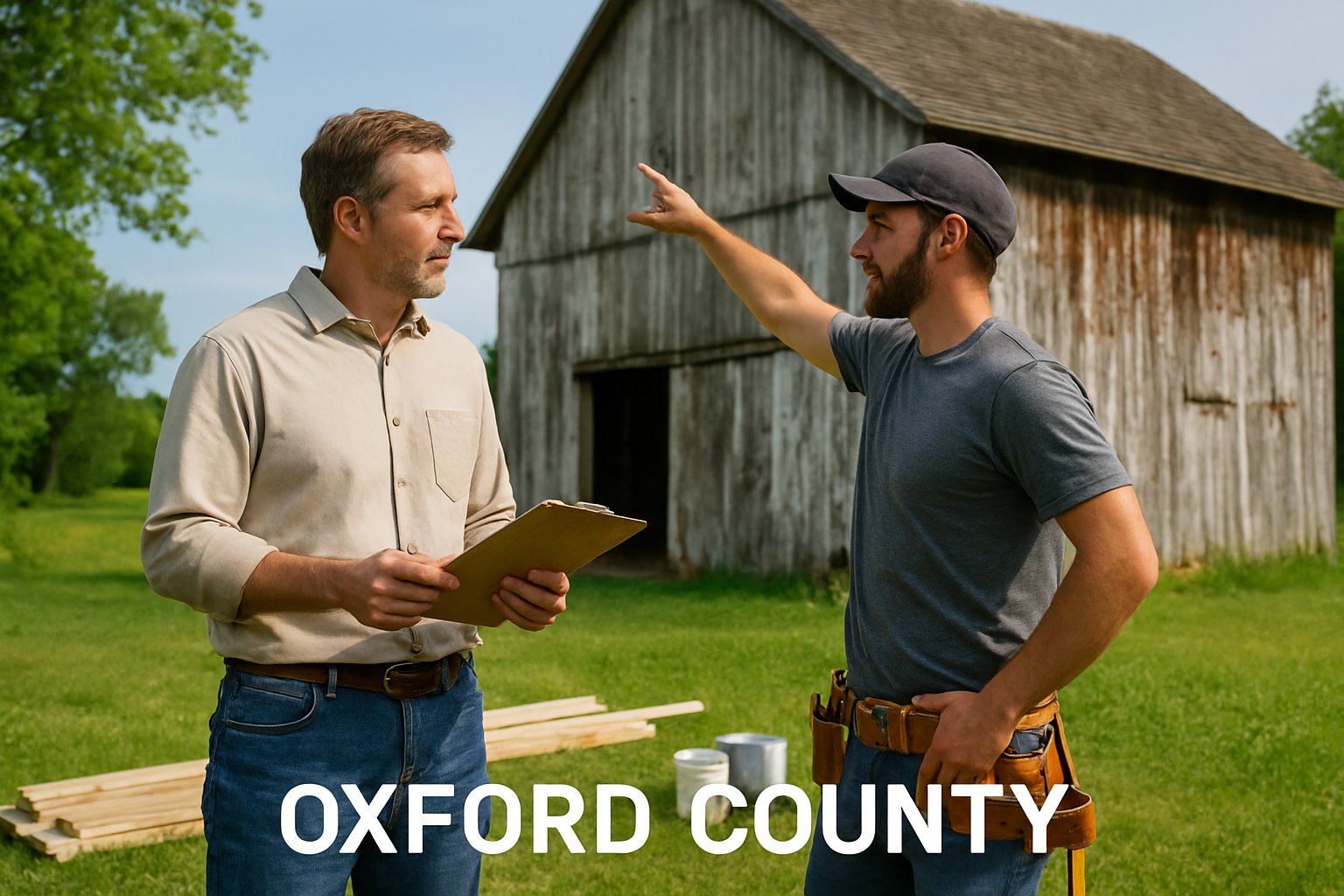
Knowing what barn repairs cost helps you budget and avoid surprises. Prices depend on barn size, materials, and the extent of repairs, so detailed quotes from specialized contractors are a must.
Factors That Affect Barn Repair Pricing
Barn size and age play a big role in cost. Bigger barns need more materials and labor, and older barns often need extra reinforcement.
How much damage you have drives the final bill. Minor repairs might run $5,000 to $15,000, but major structural work can hit $75,000 to $150,000 or more.
Material choices matter. Metal roofing costs more up front than shingles but lasts longer. Reclaimed wood siding is cheaper than new lumber but may need extra prep.
Where the damage is located also affects cost. Roof repairs usually cost more than siding because of safety gear and special equipment.
Bad weather during construction can bump up costs. Winter work often means extra heating and slower progress, so labor adds up.
Requesting Detailed Quotes
Get quotes from at least three barn specialists, not just home builders. Each estimate should list out materials, labor, permits, and timelines.
Ask contractors to break down costs by project phase. That way, you see where your money goes and can plan if you need to stage the project.
Ask for references from recent barn jobs and double-check insurance. Licensed pros may charge more, but they usually save you money by doing things right the first time.
Don’t just look at the lowest price. Sometimes the cheapest quote leaves out cleanup, disposal, or contingency for surprises.
Timeline matters too. Rushed jobs often cost more because of overtime or rushed materials.
Value of Professional Assessments
A professional barn assessment usually costs $300 to $800. It’s not cheap, but it can save you thousands by catching issues early.
You might need a structural engineer for tricky foundation or framing problems. Their reports help contractors give accurate quotes and make sure repairs meet code.
Professional assessments help you prioritize repairs—what’s urgent and what can wait. That way, you spend your budget where it matters.
Sometimes contractors waive the assessment fee if you hire them. That’s handy if you’ve already checked out their reputation.
Barn Repairs in Oxford County: Service Areas and Community Impact
Oxford County barn repair services cover multiple townships and towns, making sure local farms can keep running. These repairs support Ontario farmers by keeping barns ready for livestock, equipment, and day-to-day farm life.
Coverage of Key Oxford County Towns
Barn repair contractors work across Oxford County’s eight townships. Main service areas include Woodstock, Tillsonburg, Ingersoll, and Norwich.
Rural townships like Blandford-Blenheim, East Zorra-Tavistock, and South-West Oxford get regular service too.
Most contractors travel 30-50 kilometers from their base. That means even remote farms can get professional help. Response times range from same-day for emergencies to about a week for scheduled work.
Areas with lots of livestock get the most service. Dairy farms around Tavistock and Norwich see frequent visits, and poultry barns near Tillsonburg often need ventilation and structural work.
Supporting the Agricultural Community
Barn repairs keep Ontario farms running during busy seasons. If equipment breaks or a barn gets damaged, daily operations like milking or feeding can grind to a halt. Fast repairs prevent big financial losses.
Local contractors know the farming practices and seasonal demands here. They keep common materials in stock for Oxford County’s mix of dairy, crops, and livestock. That speeds up repairs and usually gets better results.
Emergency services run year-round for weather damage, equipment failures, and structural issues. Winter repairs often focus on heating and ventilation, while spring brings roof checks and prep for the growing season.
A strong ag economy depends on reliable barns. Good infrastructure means steady milk production, safe feed storage, and healthy livestock across Oxford County.
Frequently Asked Questions
Oxford County barn owners deal with challenges like settling foundations, roof wear from snow, and timber frame issues. Finding the right contractor and knowing about permits are common concerns for folks planning barn repairs.
What are the most common types of repairs needed for barns in Oxford County?
Foundation problems top the list in Oxford County. Stone foundations shift and crack from freeze-thaw cycles and settling soil.
Roof repairs are a close second. Metal roofs get rust spots and loose fasteners from heavy snow and wind.
Timber frame issues pop up a lot. Sill plates rot from moisture, and old joints loosen over time.
Siding needs replacing when board-and-batten cladding warps or gaps open up. Barn painting and restoration help protect exteriors from the weather.
How often should barns in the area undergo structural inspections?
For barns over 50 years old, I’d say inspect them every year. Spring is best, after winter has done its worst.
Newer barns can go every two to three years. Focus on the foundation, roof, and timber connections.
After big storms, always check for damage. High winds and ice can cause immediate problems.
Ice dams are a big problem in winter. Ice builds up on eaves and forces water under the roof.
Wind can lift metal roofing and siding during storms. Loose fasteners let panels flex and eventually tear off.
Frost heaving messes with foundations every winter. Concrete and stone can crack when frozen soil pushes up underneath.
Spring flooding threatens barns in low areas. Water can rot the lower timber and foundation over time.
Can you recommend materials for repairing and maintaining barns in this region?
Galvanized steel roofing works well here. It resists rust and handles heavy snow.
For foundations and sill plates, use pressure-treated lumber rated for ground contact.
Traditional lime mortar suits stone foundation repairs better than modern cement—it lets the building breathe.
Cedar siding is great for exterior cladding. It naturally resists rot and bugs without chemicals.
What are the legal permits required for barn restoration or repair in Oxford County?
You’ll need building permits for structural changes and electrical work. Check with your township before starting major repairs.
Heritage properties might need extra approvals. Some old barns fall under conservation rules that limit what you can do.
Changing septic or water systems means dealing with the health department. Adding a washroom or changing barn use often triggers these permits.
Don’t forget zoning. If you’re converting a barn to a different use, you might need a zoning amendment.
How do I find a reputable contractor experienced in historic barn renovations?
I usually start by checking references from recent barn restoration projects. If possible, I visit completed work sites and chat with previous customers about how things went.
Barn repair specialists tend to have specific timber framing and heritage building experience. It really helps to find contractors who know their way around traditional joinery techniques.
Professional associations can give you contractor listings and info about certifications. Licensed builders should carry proper insurance and bonding, which is just basic protection.
Local heritage organizations often keep lists of recommended contractors. These groups work closely with restoration professionals and can offer some pretty solid referrals.