History of Oxford County Ontario:
From Pioneer Settlement to Modern Times
Oxford County, Ontario has a rich past that spans centuries. Located in southwestern Ontario, this area has seen many changes since its early days. We’ll explore some key events that shaped the county’s story.
The Oxford Historical Society was founded in 1897 to preserve and promote the history of Oxford County. This group has worked for over 125 years to keep the area’s heritage alive. They record oral histories and interviews with local residents who know the county well.
Oxford County didn’t get a history book in the late 1800s like many other counties did. But that changed in 1948 when the Oxford Historical and Museum Society teamed up with bigger groups to start a county museum. This was part of a plan to create museums all over Ontario. It was a big step forward in saving Oxford’s history for future generations.
Foundations of Oxford County
Oxford County’s origins trace back to early Indigenous inhabitants and European settlement. The area evolved from a loosely defined district to an established county through several key phases of development.
Early Inhabitants and Settlement
The lands that became Oxford County were first home to Indigenous peoples. Archaeological evidence shows human presence dating back thousands of years. When European settlers arrived in the late 18th century, they encountered Neutral, Huron, and Iroquois nations.
The first permanent European settlement began in 1793. Thomas Horner established a homestead near what is now Woodstock. Other early settlers included United Empire Loyalists fleeing the American Revolution. They cleared forests and built farms.
By 1800, small communities had formed. These included future towns like Ingersoll, Tillsonburg, and Norwich. Early life was challenging. Settlers faced harsh winters, crop failures, and isolation.
Establishment as District of Brock
In 1798, the area was organized as Oxford-on-the-Thames Township. It was part of London District in Upper Canada. Population grew steadily over the next few decades.
The War of 1812 brought change. After the war, the government reorganized the region. In 1820, the District of Brock was created. It included present-day Oxford County and parts of neighboring areas.
Brock District was named after Sir Isaac Brock, a hero of the War of 1812. The district seat was in Woodstock. This choice helped cement Woodstock’s future role as the county center.
Evolution into Oxford County
Oxford County took shape in 1850. This came as part of wider reforms to local government in Ontario. The county originally included ten townships.
Early county issues included road building and agricultural development. Leaders worked to attract immigrants and industry. The arrival of railways in the 1850s boosted growth.
By 1867, when Canada became a country, Oxford was a thriving agricultural area. It had a population of about 48,000. Woodstock was officially named the county seat. This era set the foundation for Oxford’s future as a key part of southwestern Ontario.
Development of Key Towns and Townships
Oxford County’s growth was shaped by the rise of several important urban centres and rural townships. These areas became hubs of commerce, industry, and community life.
Growth of Woodstock
Woodstock emerged as the county seat and largest town in Oxford. It began as a small settlement in the early 1800s. The town grew quickly after becoming the county seat in 1839. By 1851, Woodstock had over 2,000 residents.
Key industries fuelled Woodstock’s expansion. Furniture making was a major employer. The Grand Trunk Railway arrived in 1853. This boosted trade and brought new jobs.
Woodstock became known for its beautiful architecture. Many fine Victorian homes and public buildings went up in the late 1800s. The town gained city status in 1901 when its population topped 8,600.
Ingersoll’s Emergence
Ingersoll developed into an important industrial center. It started as a small village in the 1790s. The town’s growth took off in the mid-1800s.
Cheese making became Ingersoll’s claim to fame. The town was home to Canada’s first cheese factory in 1864. Soon, it was shipping cheese across North America and to England.
Other industries also thrived. These included sawmills, grist mills, and farm implement factories. By 1900, Ingersoll was a bustling town of over 4,000 people.
Township of Norwich and Zorra
Norwich and Zorra were key agricultural townships. Norwich was settled mainly by Quakers starting in 1810. It became known for dairy farming and fruit growing.
Zorra saw an influx of Scottish settlers in the 1820s and 1830s. They established successful farms across the township. Zorra became a center of Scottish culture in Ontario.
Both townships had several small villages. These served as local trade centers for the farming communities. Examples include Norwich Village in Norwich and Embro in Zorra.
Embro and Regional Municipality
Embro grew into the largest village in Zorra Township. It was founded in the 1830s by Scottish immigrants. The village became a local hub for trade and services.
Embro was known for its strong Scottish traditions. These included Highland games and bagpipe bands. The village’s population reached about 600 by 1900.
In 1975, Oxford County became a regional municipality. This changed how local government worked. It merged some smaller townships into larger units. But the basic structure of key towns and rural areas remained similar.
Cultural and Historical Resources
Oxford County has a rich tapestry of cultural and historical resources. These include archives, museums, and historical societies that preserve and share the region’s heritage.
Oxford County Archives and Libraries
The Oxford County Archives house a wealth of historical documents. These include old maps, directories, and photos. The archives are open to the public for research.
Oxford County Library has a special local history collection. This collection focuses on items about the social, civic, and cultural life of the county. Both past and present materials are included.
Many resources have been digitized. This makes them easy to access online. Researchers can find old newspapers, census records, and more on the library website.
Woodstock Museum NHS and Local Museums
The Woodstock Museum NHS showcases the area’s history. It has exhibits on early settlers, local industries, and notable figures.
Other small museums dot the county. These focus on specific topics or towns. For example, there are museums about cheese-making and rural life.
Many museums offer interactive displays. These help bring history to life for visitors of all ages.
Historical Societies and Research
The Oxford Historical Society plays a key role in preserving local history. It was founded in 1897 to record oral histories from county residents.
The society hosts talks and events. These cover various aspects of Oxford County’s past. They also publish books on local history topics.
For researchers, the society is a valuable resource. They can help with genealogy and historical queries. The society works closely with the county archives to make information accessible.
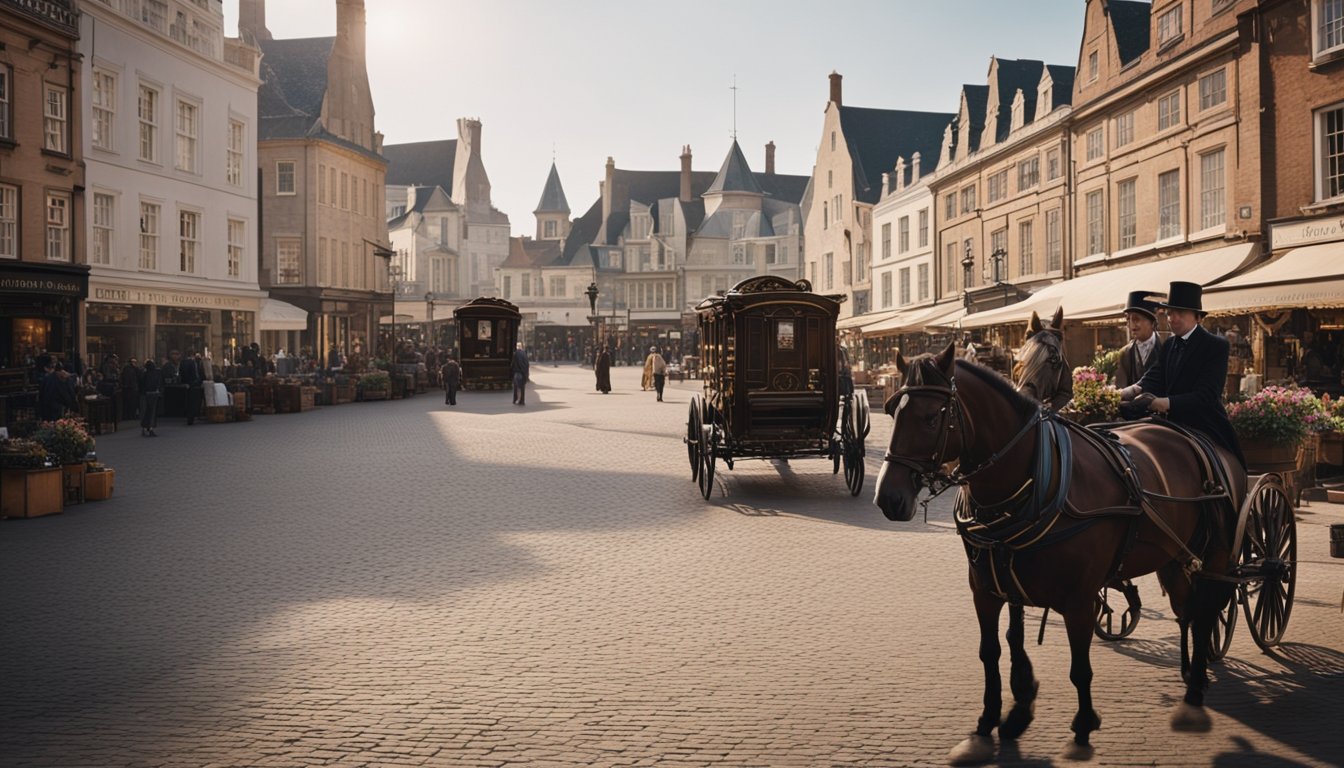
Oxford County’s history is deeply rooted in agriculture and dairy farming. The area’s social fabric has been shaped by generations of families, with records of births, marriages, and deaths telling their stories. Several notable figures have also left their mark on the county’s development.
Agriculture and Dairy Farming
Farming has been the backbone of Oxford County’s economy for centuries. The rich farmland has supported diverse crops and livestock. Dairy farming became especially prominent in the late 19th century.
By 1900, the county had over 100,000 dairy cows. This led to the growth of cheese factories and creameries. Many families operated small dairy farms, milking cows by hand twice daily.
The Marshall family was influential in developing the dairy industry. They introduced new breeding and farming techniques that improved milk production.
Today, Oxford County remains a major dairy producer. Modern farms use advanced technology like robotic milkers. The county produces about 6% of Ontario’s milk.
Records of Births, Marriages, and Deaths
Vital records provide invaluable insights into Oxford County’s social history. Birth, marriage, and death records date back to the early 1800s. These documents are kept in county courthouses and local archives.
Cemetery records offer additional genealogical information. Many old family plots can be found on former farmsteads. Church records also supplement official documents.
The Oxford Historical Society has worked to preserve and digitize many of these records. This makes family history research easier for descendants of early settlers.
Court records provide another window into past social life. They document legal disputes, property transactions, and criminal cases from the county’s early days.
Notable Figures in Oxford County History
George Emery was a prominent 19th-century businessman and politician. He served as mayor of Ingersoll and helped establish the town’s cheese industry.
Thomas Ingersoll, the founder of Ingersoll, played a key role in early settlement. His efforts brought many families to the area in the early 1800s.
Aimee Semple McPherson, a famous evangelist, was born in Salford in 1890. She went on to found the Foursquare Church in the United States.
Edmund Zavitz, known as the “father of reforestation” in Ontario, was born in Frome. His work led to major tree-planting efforts across the province.
These individuals, among others, helped shape Oxford County’s unique character and development over the years.
Frequently Asked Questions

Oxford County, Ontario has a rich history spanning centuries. The area has seen significant changes in population, industry, and cultural makeup since its founding. Let’s explore some key aspects of Oxford County’s past.
What are the historical origins of Oxford County, Ontario?
Oxford County was officially established in 1800. It was named after Oxfordshire in England. The county originally encompassed a larger area than it does today.
Early settlers arrived in the late 1700s. They were mainly British and American immigrants seeking farmland and new opportunities.
How has the population of Oxford County, Ontario, evolved by 2024?
Oxford County’s population has grown steadily over the years. In 1851, the population was around 32,000. By 1901, it had increased to about 47,000.
Today, the county has over 110,000 residents. This growth reflects economic changes and increased urbanization in the region.
What is the significance of Woodstock in the history of Oxford County?
Woodstock has been the county seat since 1850. It plays a crucial role in the county’s administration and governance.
The city has been a hub for industry and commerce. It’s home to important historical sites and museums that preserve the county’s heritage.
Who are the historical indigenous inhabitants of Oxford County?
The Neutral, Huron, and Iroquois peoples lived in the area before European settlement. They had complex societies and trade networks.
These groups were displaced by colonization. Their legacy continues to shape the cultural landscape of Oxford County.
How did slavery impact the development of Oxford County, Ontario?
Oxford County was a destination for many escaped slaves from the United States. The Black community in Ingersoll was particularly significant.
By the mid-1800s, about 400 of Ingersoll’s 2,000 residents were Black. This community contributed to the county’s development and diversity.
What roles or industries is Oxford County, Ontario, historically known for?
Agriculture has been a cornerstone of Oxford County’s economy. The area is known for dairy farming and cheese production.
The Ingersoll Cheese & Agricultural Museum, opened in 1977, showcases this important aspect of local history. Manufacturing and small businesses have also played key roles in the county’s economic growth.