As winter approaches in Ontario, preparing your hot tub for the chilly months ahead becomes crucial. A thorough inspection of your brand’s hot tub components, including the pump, can save you from costly repairs and ensure a cozy soak throughout the season.
Don’t forget to keep your invoice handy for warranty purposes. In this article, we’ll guide you through the essential steps to winterize your hot tub, ensuring it remains a warm oasis even in the coldest months.
Bullet Point Overview
- Thoroughly inspect and clean your hot tub before winter to prevent issues
- Ensure proper insulation to maintain warmth and reduce energy costs
- Check and upgrade your hot tub cover for better heat retention
- Monitor water levels and chemistry regularly during winter months
- Adjust temperature settings and use a programmable thermostat for energy efficiency
Inspect and Clean Your Hot Tub Thoroughly
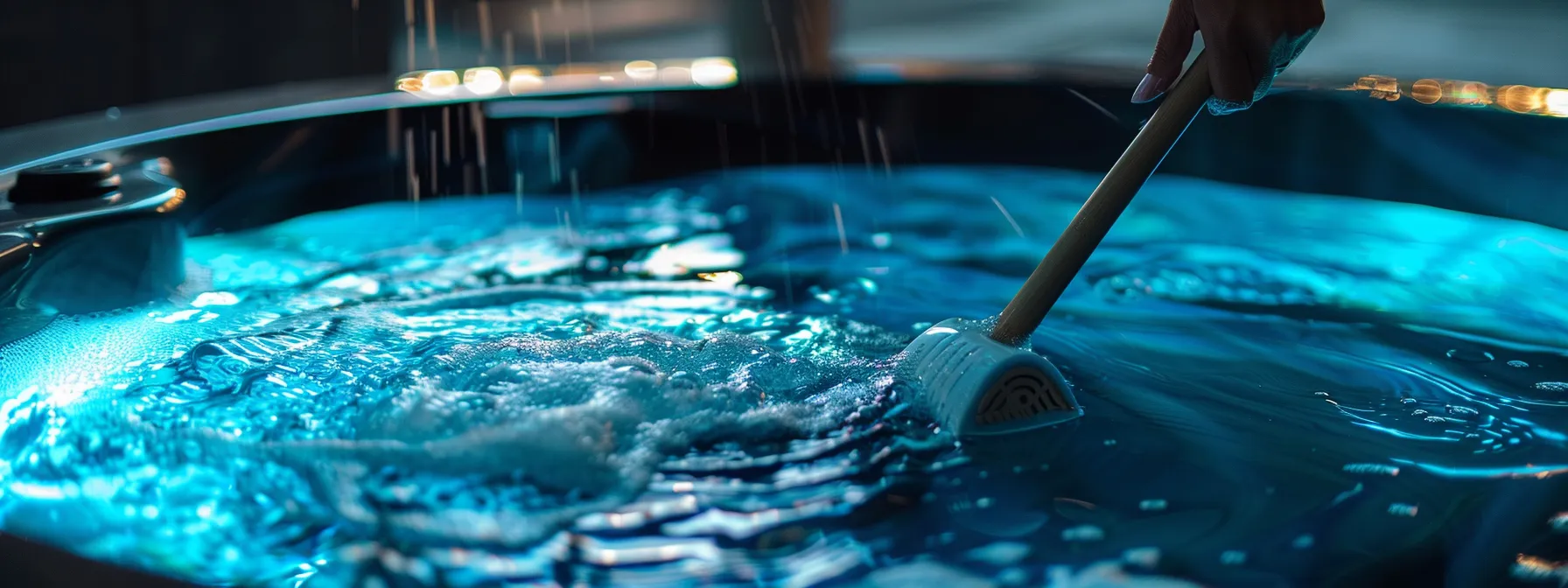
Your hot tub deserves a thorough inspection and cleaning before winter sets in. This crucial step in maintenance ensures your spa remains in top shape, ready for those cozy winter soaks. You’ll want to drain the tub, check for potential issues like cracks or leaks, and give the shell, jets, and filter system a deep clean.
By taking these precautions, you’ll minimize the need for tub repairs and avoid frantically searching for “spa repair near me” when temperatures drop. Let’s dive into the essential tasks to keep your hot tub winter-ready.
Drain the Tub and Check for Cracks or Leaks
Start by draining your hot tub completely. This allows you to inspect every nook and cranny for potential issues. As you empty the tub, keep an eye out for any unusual leaks or cracks that might have developed over time.
Once drained, run your hands along the tub’s surface, paying close attention to areas around jets and fittings. If you’re in Canada, particularly Ottawa, where winters can be harsh, catching any problems early is crucial. You might want to add “jacuzzi maintenance near me” to your search list for professional help if needed.
Don’t forget to check the tub’s exterior and plumbing for signs of wear or damage. If you’re unsure about anything, consider reaching out to a local call centre for advice or signing up for a mailing list to receive maintenance tips tailored to your area’s climate.
Clean the Shell, Jets, and Filter System
Give your hot tub shell a thorough scrub using a non-abrasive cleaner designed for spa surfaces. Pay extra attention to the waterline, where grime tends to accumulate. Your efforts now will save you from potential “repair spa” headaches later.
Next, focus on the jets. Remove and clean them individually, ensuring proper water flow. If you’re unsure about the process, consult your spa’s knowledge base or consider professional spa installation services for expert assistance.
Lastly, don’t forget the filtration system. Clean or replace filters as needed to maintain optimal water quality. Remember, a well-maintained filter is key to extending your hot tub’s lifespan and keeping your customers happy.
- Drain the tub completely
- Inspect for cracks and leaks
- Clean the shell, jets, and filter system
- Check exterior and plumbing
- Refill and balance water chemistry
Assess and Upgrade Insulation if Necessary
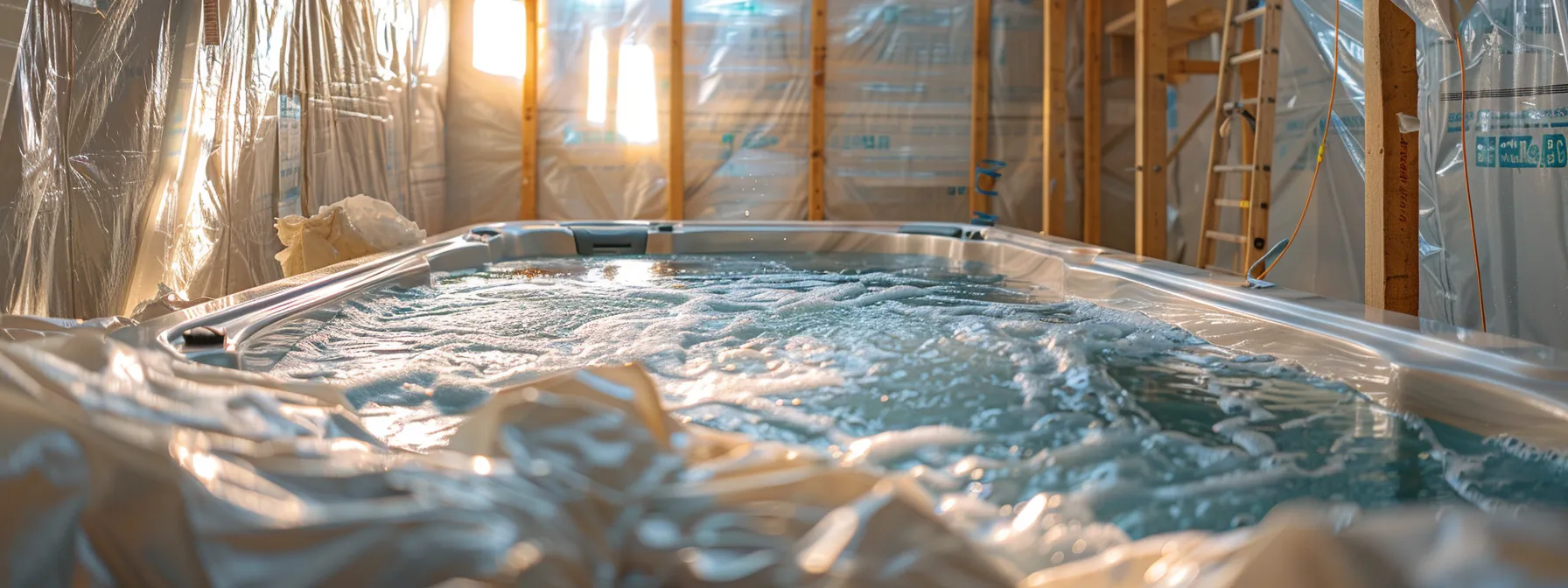
As winter approaches, you’ll want to ensure your hot tub stays cozy and energy-efficient. Proper insulation is key to maintaining warmth and preventing issues like “jacuzzi leak repair” or frantically searching for “tub repair near me.” Whether you have a swimming pool, hot tub, or both, evaluating and upgrading your insulation can save you headaches and money.
Don’t let a poorly insulated tub ruin your winter relaxation plans or drive up your energy bills. Take a moment to assess your current setup and consider adding extra insulation where needed. It’s a simple step that can make a big difference in your hot tub enjoyment this season.
Evaluate Existing Insulation Around the Hot Tub
Take a close look at your hot tub’s current insulation setup. Check for any gaps, worn-out areas, or places where heat might be escaping. This evaluation is crucial for maintaining your tub’s efficiency and preventing the need for frequent “spa repair” visits.
Pay attention to the cabinet and cover, as these are prime spots for heat loss. If you notice any issues during your “tub cleaning” routine, address them promptly. Remember, good insulation not only keeps your hot tub warm but also helps you save on energy costs when you “pay invoice” for utilities.
Don’t forget to inspect the plumbing and equipment area. Proper insulation here can prevent freezing and reduce the need for “troubleshooting” in cold weather. If you’re unsure about what you’re seeing, consider consulting with professionals who specialize in “pools and spas” for expert advice.
Add Extra Insulation Materials for Enhanced Warmth Retention
Boost your hot tub’s warmth retention by adding extra insulation materials. This simple upgrade can significantly improve your spa’s efficiency, reducing energy costs and the need for frequent “jacuzzi maintenance”. Consider using foam boards or spray foam insulation to fill any gaps in the cabinet or around plumbing lines.
When tackling this project, you might want to submit a “service request” to professionals if you’re unsure about the best insulation methods for your specific hot tub model. Their “knowledge” can help you avoid common pitfalls and ensure proper installation, potentially saving you from future headaches or unexpected “jacuzzi removal cost” if things go wrong.
Remember to pay attention to your hot tub cover as well. A well-insulated cover is crucial for heat retention, so consider upgrading to a thicker or more energy-efficient model. After adding insulation, don’t forget to “spa clean” thoroughly to remove any debris from the installation process, ensuring your hot tub is ready for those cozy winter soaks.
Protect Your Hot Tub With a Quality Cover
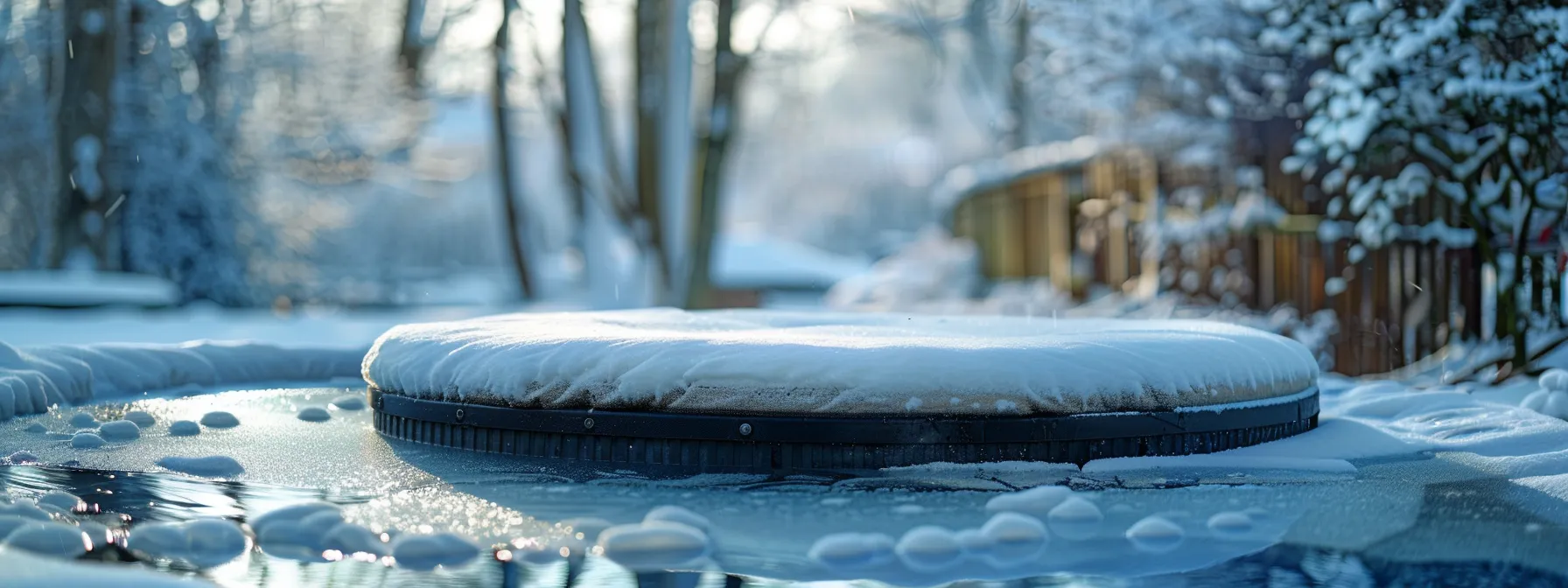
You know your hot tub cover is your spa’s first line of defense against winter’s chill. A quality cover not only keeps debris out of your water but also traps heat, saving you money on energy bills.
As the cold season approaches, it’s time to give your cover a good once-over and possibly consider an upgrade. Let’s dive into how you can ensure your hot tub stays snug and warm all winter long, starting with a top-notch cover.
Check Your Current Cover for Wear and Damage
Take a close look at your hot tub cover before winter sets in. Check for signs of wear, tears, or waterlogging that could compromise its effectiveness. Run your hands along the seams and edges, feeling for any weak spots or areas where the material has started to degrade.
Pay special attention to the cover’s underside, where prolonged exposure to water and chemicals can cause damage. Look for any discoloration, mold, or mildew growth that might indicate it’s time for a replacement. Don’t forget to examine the straps and locks, ensuring they’re still secure and functional.
Consider the cover’s weight as you inspect it. If it feels significantly heavier than usual, it might be waterlogged and less effective at insulating your tub. Here’s a quick checklist to guide your inspection:
| Area to Check | What to Look For | Action Needed |
|---|---|---|
| Cover Surface | Tears, cracks, or fading | Repair or replace |
| Seams and Edges | Separation or fraying | Reseal or replace |
| Underside | Mold, mildew, or discolouration | Clean or replace |
| Straps and Locks | Wear or breakage | Repair or replace |
| Overall Weight | Unusually heavy | Consider replacement |
Consider Upgrading to a Higher-Insulation Cover Model
You might want to upgrade your hot tub cover for better insulation as winter approaches. A higher-quality cover can significantly reduce heat loss, keeping your water warm and your energy bills low. Look for covers with thicker foam cores and higher R-values for maximum efficiency.
Consider investing in a cover with tapered edges and a tight seal. These features prevent heat from escaping and stop cold air from seeping in. Some modern covers even come with reflective undersides to bounce heat back into the water, further improving energy efficiency.
Don’t forget to factor in your local climate when choosing a new cover. If you live in an area with heavy snowfall, opt for a sturdy cover that can handle the extra weight. Remember, a well-insulated cover is an investment that pays off in the long run, keeping your hot tub cozy and ready for those chilly winter nights.
Maintain Optimal Water Levels and Chemistry
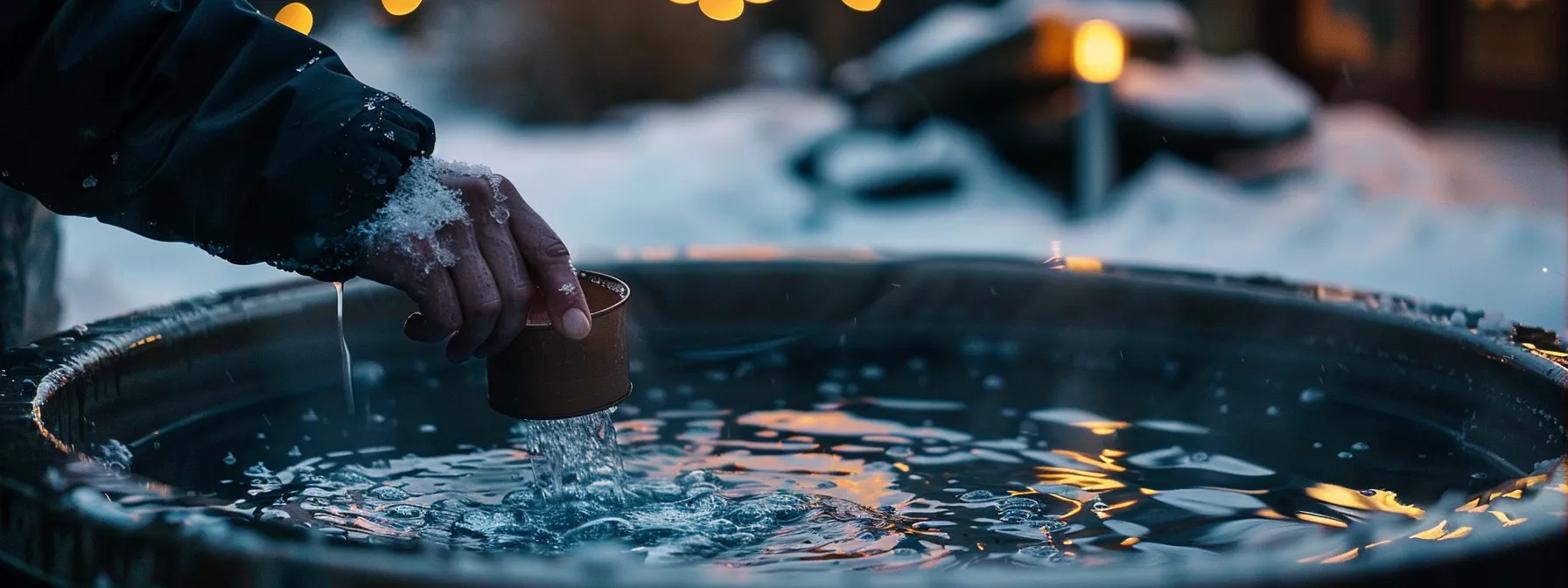
You’ll want to keep a watchful eye on your hot tub’s water levels and chemistry as winter sets in. Proper maintenance in these areas is crucial for preventing costly damage and ensuring your spa remains a cozy retreat throughout the cold months.
By monitoring water levels, you’ll safeguard your tub’s components from freezing. Regular chemical checks will help you avoid scale build-up, which can be a real headache if left unchecked. Let’s dive into these essential tasks to keep your hot tub in top shape for those frosty evenings ahead.
Monitor Water Levels to Prevent Freezing Components
Keep a close eye on your hot tub’s water level throughout the winter. Low water can lead to freezing pipes and equipment damage, so make sure it stays above the skimmer level. Check it weekly, or more often if you use your tub frequently.
If you notice the water level dropping, top it up promptly. Use a garden hose or bucket to add water, being careful not to overfill. Remember, water expands when it freezes, so leave some room for expansion.
Consider investing in a floating device or water level indicator to help you monitor the water level easily. This simple tool can save you from potential headaches and costly repairs down the line. Here’s a quick checklist to help you maintain proper water levels:
- Check water level at least once a week
- Keep water above the skimmer level
- Top up as needed, but don’t overfill
- Use a floating device or indicator for easy monitoring
- Be extra vigilant during freeze-thaw cycles
Regularly Test Water Chemistry to Avoid Scale Build-Up
You’ll want to keep a close eye on your hot tub’s water chemistry during winter. Test the water at least twice a week, checking pH, alkalinity, and sanitizer levels. This regular monitoring helps prevent scale build-up, which can damage your tub’s components and make it less efficient.
Adjust the chemical balance as needed to keep your water in the ideal range. Aim for a pH between 7.2 and 7.8, alkalinity between 80 and 120 ppm, and chlorine levels between 1 and 3 ppm. Don’t forget to shock your tub weekly to keep the water clean and clear.
Pay extra attention to calcium hardness levels in winter. Hard water can lead to scale formation, especially in heated water. Use a calcium hardness increaser or decreaser to maintain levels between 150 and 250 ppm. This simple step can save you from dealing with stubborn scale build-up when spring rolls around.
Set Your Heater to an Efficient Winter Temperature
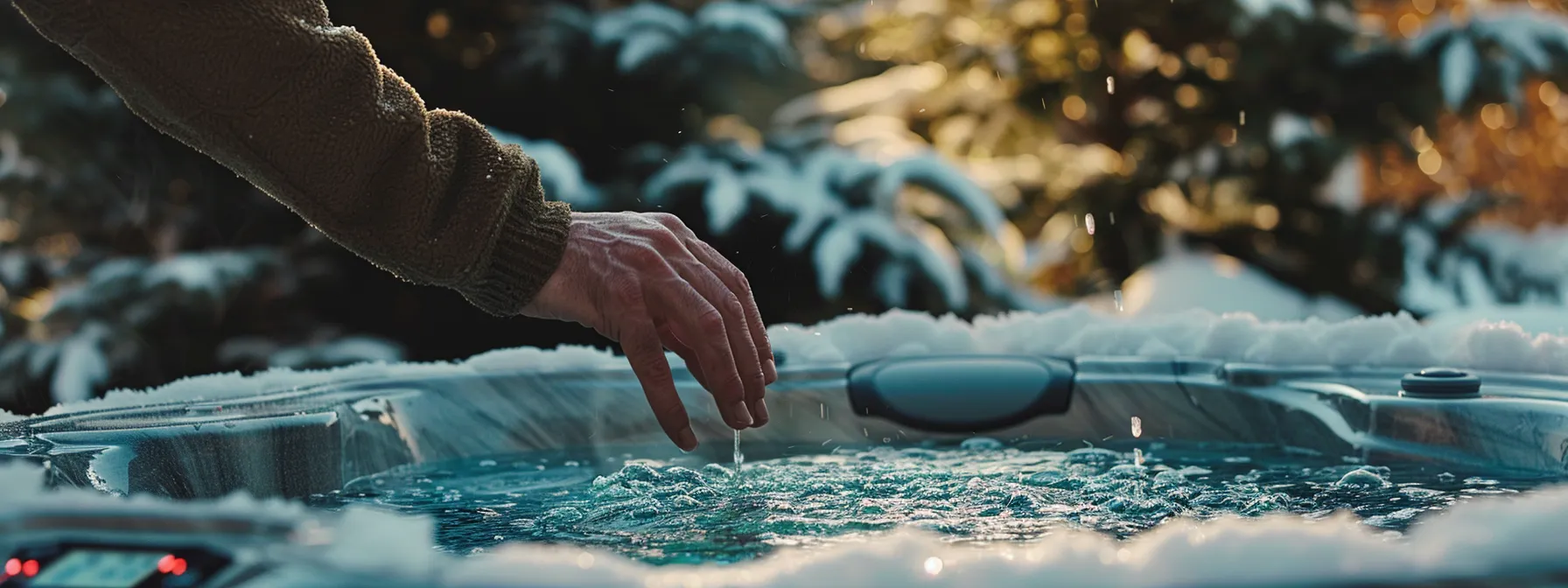
You’ll want to dial in your hot tub’s temperature for winter to strike the perfect balance between comfort and energy efficiency. Finding that sweet spot not only keeps your heating costs in check but also ensures your tub is always ready for a relaxing soak.
Let’s explore how to determine the most energy-efficient temperature setting and leverage a programmable thermostat to automate your hot tub’s heating schedule. With these strategies, you’ll keep your spa cozy without breaking the bank on energy bills.
Determine the Most Energy-Efficient Temperature Setting
You’ll want to find that sweet spot for your hot tub’s winter temperature – warm enough for comfort but not so hot it’ll send your energy bills through the roof. Generally, setting your tub between 98°F and 102°F (36.7°C to 38.9°C) strikes a good balance. This range keeps the water inviting while minimizing heat loss and energy consumption.
Consider your usage patterns when deciding on the ideal temperature. If you use your tub frequently, keeping it at the lower end of this range might work best. For less frequent use, you could drop the temperature a few degrees more when not in use, then crank it up a bit before your soak.
Don’t forget to factor in your local climate. In milder winters, you might get away with slightly lower temperatures, while harsher conditions might require a bit more heat to maintain comfort. Experiment with different settings to find what works best for you and your energy bills.
Use a Programmable Thermostat to Adjust Temps Automatically
You’ll love the convenience of a programmable thermostat for your hot tub this winter. Set it to lower the temperature when you’re not using the tub, then automatically raise it before your usual soak time. This smart approach saves energy and ensures your tub is always ready when you are.
Consider programming your thermostat to align with your daily routine. If you enjoy a morning dip, schedule the heat to kick in an hour before you wake up. For evening relaxation, set it to warm up just as you’re heading home from work. You’ll appreciate the energy savings and the perfectly heated water waiting for you.
Don’t forget to adjust your thermostat settings as the season progresses. As temperatures fluctuate, you might need to tweak your programmed schedule to maintain optimal efficiency. Keep an eye on your energy bills and comfort level, and make small adjustments as needed to find the perfect balance.
Implement Winter-Specific Maintenance Routines
You’ll want to adjust your hot tub maintenance routine as winter sets in. Cold weather brings unique challenges, so it’s crucial to adapt your care regimen to keep your spa in top shape. Regular checks and preventive measures will help you avoid costly repairs and ensure your tub remains a cozy retreat all season long.
Start by increasing the frequency of your water tests. Winter conditions can affect water chemistry more rapidly, so aim to check levels at least twice a week. This vigilance will help you catch any imbalances early, preventing scale buildup and equipment damage.
Don’t forget to give your hot tub cover extra attention during the colder months. Clean it regularly to remove snow, ice, and debris. Check for signs of wear or damage, and consider using a cover cap for added protection against harsh winter elements.
Pay close attention to your hot tub’s plumbing and equipment. Freezing temperatures can wreak havoc on pipes and pumps if you’re not careful. Run your jets periodically, even when you’re not using the tub, to keep water circulating and prevent freezing.
Lastly, create a winter maintenance checklist to keep yourself on track. Include all the necessary tasks and their recommended frequencies. Here’s a sample list to get you started:
- Test water chemistry twice weekly
- Clean and inspect cover every week
- Run jets for 15 minutes daily
- Check for ice buildup around equipment
- Monitor water levels closely
- Shock water weekly
- Deep clean filters monthly
Conclusion
Preparing your hot tub for winter safeguards your investment and ensures continued enjoyment throughout the colder months. By thoroughly inspecting and cleaning your spa, upgrading insulation, maintaining proper water levels and chemistry, and setting efficient heating schedules, you’ll prevent costly damage and keep energy bills in check.
Regular maintenance routines tailored for winter conditions will help you catch potential issues early and keep your hot tub running smoothly. With these precautions in place, your hot tub will remain a cozy oasis, ready for relaxing soaks even on the chilliest winter evenings.